
Choosing the Right Shower Screens for Wet Rooms: Style Meets Functionality
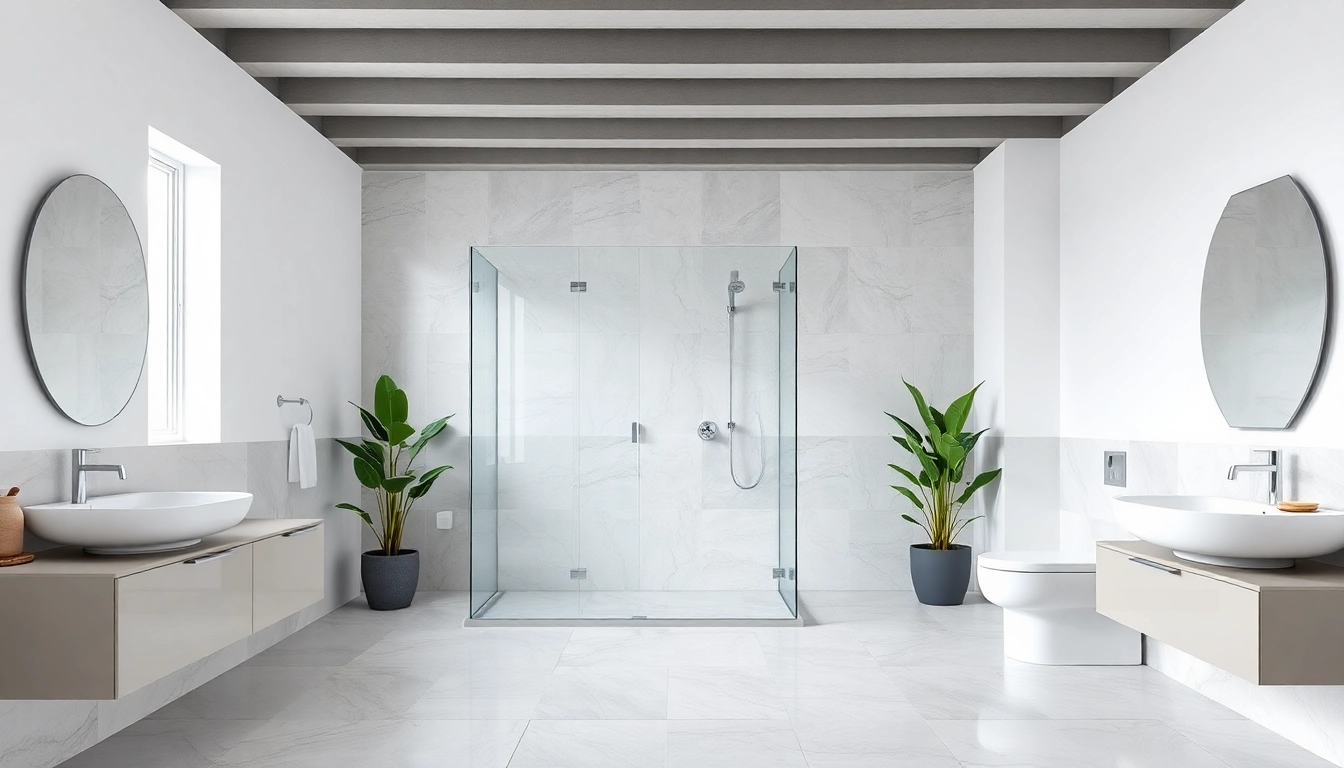
Understanding Shower Screens for Wet Rooms
When it comes to modern bathroom design, shower screens for wet rooms have become an essential element that combines practicality with style. Wet rooms, known for their open and spacious layout, provide a seamless experience in luxury and functionality. In this article, we will explore the intricacies of shower screens specifically designed for wet rooms, presenting a comprehensive overview that includes their benefits, design considerations, installation processes, maintenance tips, and more.
What Are Shower Screens for Wet Rooms?
Shower screens for wet rooms are transparent barriers that separate the showering area from the rest of the bathroom, typically constructed from glass or other waterproof materials. Unlike traditional shower cubicles, which are enclosed and often limited in space, wet room screens offer a minimalist solution that maximizes accessibility and mobility within the bathroom.
Key Benefits of Using Shower Screens
- Open Space Concept: The absence of shower walls enhances the feeling of spaciousness in your bathroom, allowing for an airy atmosphere.
- Accessibility: Shower screens are particularly useful for individuals with mobility issues, providing easier access without the need for stepping over high thresholds.
- Stylish Design: Available in various styles, shower screens can complement any modern bathroom aesthetic, adding a touch of elegance.
- Enhanced Light Flow: Transparent screens allow natural light to permeate the space, making bathrooms feel brighter and more welcoming.
Popular Designs and Styles
Shower screens come in a variety of designs to suit different tastes and bathroom layouts. Some popular options include:
- Frameless Screens: These designs use minimal hardware for a sleek appearance, emphasizing clarity and simplicity.
- Bi-Fold Screens: Ideal for smaller bathrooms, bi-fold screens can be folded away to create more space when not in use.
- Sliding Screens: Perfect for tight spaces, sliding screens enable convenient entry without limitating the walkable area.
- Curved Screens: Creating a soft outline, curved screens can add an artistic element while fitting snugly in corner spaces.
Materials and Their Impact on Performance
The performance and durability of shower screens are largely defined by the materials used in their construction. Understanding these materials will help you make an informed decision when selecting shower screens for your wet room.
Common Materials Used in Shower Screens
1. Tempered Glass: Often used due to its strength and safety features, tempered glass is resistant to thermal shock and breaks into small pieces, reducing injury risks.
2. Acrylic: Lighter and more affordable than glass, acrylic is easy to clean and resistant to stains but may not possess the same durability.
3. Polycarbonate: This unbreakable material is gaining popularity due to its resilience and impact resistance, making it a sturdy option for high-traffic bathrooms.
Comparative Durability and Maintenance
When comparing materials, tempered glass stands out for durability, offering a high resistance to scratches and impact. Acrylic, while lighter and more affordable, can scratch easily and may show wear over time. Polycarbonate presents an excellent middle ground, offering substantial durability without the fragility of glass.
Maintenance varies across materials; glass requires regular cleaning to avoid water spots, while acrylic can generally be cleaned with milder solutions. Always refer to the manufacturer’s maintenance recommendations for optimal results.
Choosing the Right Material for Your Needs
When selecting a material for your shower screens, consider factors such as bathroom size, budget, and desired aesthetics. For instance, if you aim for a luxurious feel and durability, tempered glass is your best option. In contrast, if you need a lightweight and budget-friendly alternative, acrylic or polycarbonate may be suitable choices.
Installation Considerations
Installing shower screens in a wet room is a crucial step that requires careful planning and execution. Proper installation not only ensures functionality but also enhances the overall appearance of the bathroom.
Preparing Your Wet Room for Installation
Before installation begins, ensure that your wet room is appropriately designed and waterproofed. The floor should have correct drainage to prevent water pooling, and the walls should be adequately treated to resist moisture. Accurate measurements are vital; double-check the dimensions where the screens will be installed for a snug fit.
Steps to Properly Install Shower Screens
- Gather Tools: You will need a drill, level, silicone sealant, and anchors, depending on your chosen screen type.
- Mark Placement: Use a pencil to mark the locations for brackets or hinges on the wall with precision.
- Install Fixings: Securely fasten the brackets to the wall using the drill, ensuring they are level.
- Fit the Screen: Carefully position the screen into place, making sure it aligns with the fixings.
- Seal Joints: Apply silicone along the edges to prevent leakage, giving extra attention to corners and joints.
Common Installation Issues and Solutions
Even with careful planning, installation can present challenges:
- Misalignment: If screens are not aligned correctly, they may not fit as intended. Double-check measurements before finalizing installation.
- Sealant Leaks: Improper sealing can lead to leaks; ensure that silicone is adequately applied and allowed to dry as per the manufacturer’s instructions.
- Weight Concerns: Heavier glass screens may require additional support. Always consult a professional for advice on load-bearing limits.
Design Tips for Enhancing Aesthetic Appeal
Design plays an important role in creating a visually appealing bathroom space. Thoughtful placement and style selections can transform a simple wet room into a stunning retreat.
Color Schemes That Complement Shower Screens
When choosing colors, consider neutral tones that create harmony with the reflective surfaces of shower screens. Monochromatic palettes can elevate sophistication, while accents in vibrant colors can add personality. Use colors that enhance natural light rather than absorb it.
Accessorizing Your Bathroom Space
Accessories can enhance the design of your wet room:
- Towels: Choose soft, luxurious towels as functional decor elements.
- Plants: Indoor plants introduce natural beauty and improve air quality.
- Lighting: Well-placed lighting fixtures highlight textures and create a relaxing ambience.
Maximizing Natural Light and Space
Consider using transparent screens to ensure unobstructed light flow. Open shelving can replace bulky cabinets, creating a sense of space while providing practical storage solutions. Additionally, strategically placed mirrors can amplify light and provide depth.
Maintaining Your Shower Screens for Longevity
Proper maintenance is key to ensuring the longevity of your shower screens. With the right care, you can keep your screens looking pristine for years.
Best Cleaning Practices to Follow
Regular cleaning is essential to avoid the buildup of soap scum and hard water stains. Use a vinegar-water solution or a dedicated glass cleaner with a soft cloth for best results. Avoid abrasive scrubbing pads as they can scratch surfaces.
Preventing Damage and Wear
To minimize scratches, consider using non-abrasive cleaning tools. Additionally, be cautious with heavy items that may fall against the screens, which can cause cracks or chips. For optimal protection, apply a glass treatment that repels water and dirt.
When to Consider Replacement
Over time, screens may develop cracks or significant scratches, making them less appealing and potentially unsafe. Consider replacement if you notice persistent leaks or if the aesthetic quality diminishes. Regularly assess your screens to determine the right time for updates.
FAQs about Shower Screens for Wet Rooms
1. How do I choose the right size for my shower screen?
Measure the space where you want to install the screen and consider the height and width based on your showering habits and design preferences.
2. Can I install shower screens myself?
If you have DIY experience, you can install them yourself; however, professional installation is recommended for best results and to avoid leaks.
3. Is tempered glass safe for shower screens?
Yes, tempered glass is safe and recommended for shower screens due to its strength and ability to shatter safely if broken.
4. How often should I clean my shower screens?
It is ideal to clean your shower screens weekly to prevent soap scum and water stains from building up.
5. What can I do if my screens are leaking?
Check the seals and silicon; if they appear damaged, reapply sealant or contact a professional for repair or replacement options.
