Elevate Your Home Aesthetic with Vinyl Plank Flooring Solutions
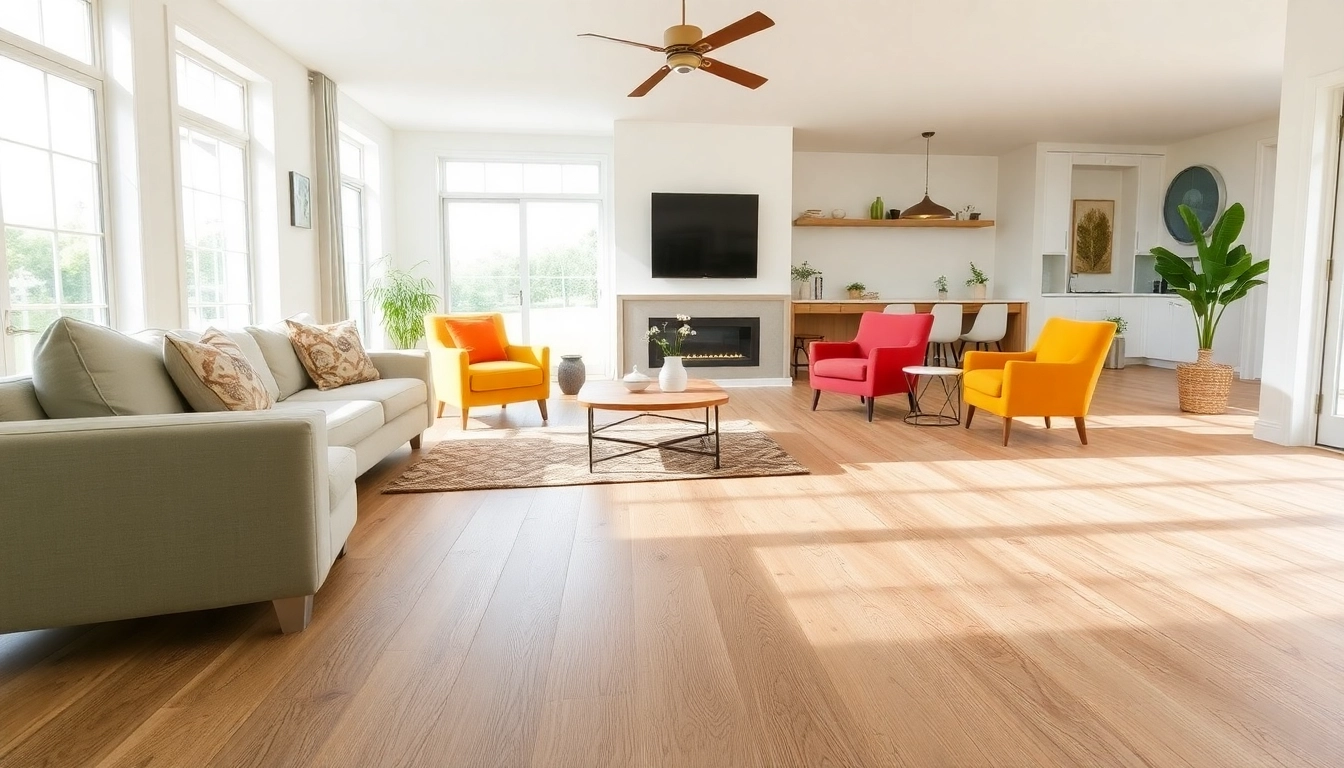
Understanding Vinyl Plank Flooring
What is Vinyl Plank Flooring?
Vinyl plank flooring is a resilient flooring solution designed to replicate the look of natural wood while providing durability and ease of maintenance. Manufactured from layers of synthetic materials, including PVC, it offers exceptional performance in high-traffic areas. Its realistic textures and patterns can seamlessly blend with a variety of interior styles, making it a popular choice for homeowners and designers alike. This innovative flooring option has revolutionized the market, thanks to its availability in a range of colors, widths, and styles. For anyone considering a flooring upgrade, exploring vinyl plank flooring is essential.
Benefits of Vinyl Plank Flooring
Choosing vinyl plank flooring comes with a myriad of benefits:
- Water Resistance: Many vinyl planks are waterproof, making them suitable for kitchens, bathrooms, and basements.
- Durability: Vinyl plank is resistant to scratches, stains, and wear, providing longevity with proper care.
- Comfort: It offers a softer surface underfoot compared to ceramic tiles or hardwood.
- Cost-Effective: Vinyl plank flooring is generally more affordable than hardwood or stone, both in terms of materials and installation.
- Easy Installation: Many vinyl planks feature click-lock systems, allowing for simple installation without professional help.
Different Types of Vinyl Plank Flooring
When exploring vinyl plank flooring, it’s important to recognize that it comes in various types, each with unique characteristics:
- Luxury Vinyl Plank (LVP): This high-end option provides a realistic look and feel of natural wood, often featuring more intricate designs.
- Waterproof Vinyl Plank: Specifically designed for areas prone to moisture, this variant is perfect for bathrooms and kitchens.
- Rigid Core Vinyl Plank: This type includes a sturdy core that adds durability while remaining comfortable underfoot.
- Glue Down Vinyl Plank: A traditional installation method where planks are glued directly to the subfloor, suitable for high-traffic zones.
Installation Guide for Vinyl Plank Flooring
Preparing Your Space for Installation
Preparing your space is a critical step to ensure a successful vinyl plank flooring installation:
- Clear the Area: Remove all furniture and fixtures from the room.
- Check the Subfloor: Ensure the subfloor is dry, clean, and level. Any imperfections can affect the final result.
- Acclimation: Allow the vinyl planks to acclimate in the room for at least 48 hours to adjust to temperature and humidity.
Step-by-Step Installation Process
Follow these steps to install your vinyl plank flooring:
- Lay the Underlayment: If necessary, install underlayment to provide cushioning and minimize noise.
- Start Laying Planks: Begin in a corner of the room and lay planks in the desired direction, ensuring a snug fit.
- Use Spacers: Maintain expansion gaps around edges with spacers to allow for natural expansion and contraction.
- Cut as Needed: Use a utility knife or saw to cut planks to fit around corners or edges.
- Finalize Installation: Once all planks are in place, remove spacers and install baseboards or trim.
Common Installation Mistakes to Avoid
Here are common pitfalls to avoid during the installation of vinyl plank flooring:
- Neglecting Acclimation: Skipping this step can lead to expansion issues later on.
- Incorrect Subfloor Preparation: Failing to level the subfloor may cause uneven flooring.
- Ignoring Manufacturer Guidelines: Always follow specific instructions provided by the flooring manufacturer.
Maintenance Tips for Vinyl Plank Flooring
Daily Care and Cleaning Practices
Maintaining the beauty of your vinyl plank flooring is simple with these daily care tips:
- Sweep Regularly: Remove dirt and debris with a soft broom or vacuum to prevent scratches.
- Mop Sparingly: Use a damp mop with a mild pH-neutral cleaner to restore shine without causing damage.
- Avoid Harsh Chemicals: Steer clear of bleach or abrasive cleaners that can harm the flooring’s surface.
Deep Cleaning Techniques for Longevity
For deeper cleaning, consider the following methods:
- Steam Cleaning: Use a steam mop designed for vinyl planks to effectively remove grime and bacteria.
- Vinegar and Water Solution: Create a natural cleaner by mixing vinegar with water for occasional use.
- Commercial Cleaners: Select products specifically designed for vinyl flooring to ensure safe cleaning.
Preventing Scratches and Damage
To keep your vinyl flooring looking pristine:
- Use Furniture Pads: Place felt pads under furniture legs to avoid scratches.
- Avoid High Heels: Be mindful of footwear that may leave marks or dents.
- Trim Pet Nails: Keep your pets’ nails short to minimize scratching.
Design Ideas with Vinyl Plank Flooring
Incorporating Vinyl Plank Flooring in Different Rooms
Vinyl plank flooring is versatile and can enhance various spaces:
- Living Room: Choose warmer wood tones to create a cozy atmosphere.
- Kitchen: Opt for lighter colors for a bright, spacious feel.
- Bathroom: Waterproof options can add style while offering practicality.
Combining Colors and Textures
Mixing colors and textures can elevate your design:
- Lighter Walls: Pair light flooring with darker wall colors to create contrast.
- Mix Plank Widths: Incorporate different plank widths for added depth to a room.
- Accent Tiles: Use patterned tiles to create interesting focal points alongside vinyl planks.
Using Area Rugs with Vinyl Plank Flooring
Area rugs can enhance comfort and aesthetics:
- Define Spaces: Use rugs to visually separate areas within an open floor plan.
- Add Softness: Place plush rugs in high-traffic areas to provide warmth.
- Color Coordination: Choose rugs that complement your vinyl flooring color scheme for unified decor.
Buying Guide for Vinyl Plank Flooring
How to Choose the Right Vinyl Plank Flooring?
Selecting the perfect vinyl plank flooring involves considering several factors:
- Purpose: Determine the main use of the space—high traffic, moisture-prone, or aesthetic.
- Thickness: Thicker planks often provide better sound insulation and durability.
- Style: Explore various designs to match your overall interior aesthetic.
Understanding Pricing and Budgeting
When budgeting for vinyl plank flooring, keep in mind the following:
- Material Costs: Expect prices to range from $2 – $5 per square foot, depending on quality.
- Installation Fees: Factor in potential installation costs if you’re not planning a DIY project.
- Long-Term Value: Consider the longevity and durability of the flooring when assessing overall value.
Where to Purchase Quality Vinyl Plank Flooring?
For quality vinyl plank flooring, consider various purchasing options:
- Home Improvement Stores: National chains often have a selection of different styles and brands.
- Specialty Flooring Retailers: Local businesses may provide personalized service and expert advice.
- Online Retailers: Explore e-commerce sites for a wide range of options and sometimes lower prices.
FAQs about Vinyl Plank Flooring
What is vinyl plank flooring?
Vinyl plank flooring is a resilient flooring option designed to mimic the look of wood, featuring various styles and textures that fit many decors.
Is vinyl plank flooring waterproof?
Certain vinyl plank flooring options are waterproof, making them suitable for moisture-prone areas like kitchens and bathrooms.
How do I clean vinyl plank flooring?
Regular cleaning involves sweeping or vacuuming, followed by mopping with a damp cloth and a mild, pH-neutral cleaner to maintain appearance.
Can installation be a DIY project?
Yes, with proper preparation and attention to detail, many homeowners choose to tackle vinyl plank flooring installation as a DIY project.
What are the costs associated with vinyl plank flooring?
Costs can range based on quality, thickness, and brand, typically between $2 to $5 per square foot for materials, plus installation expenses.